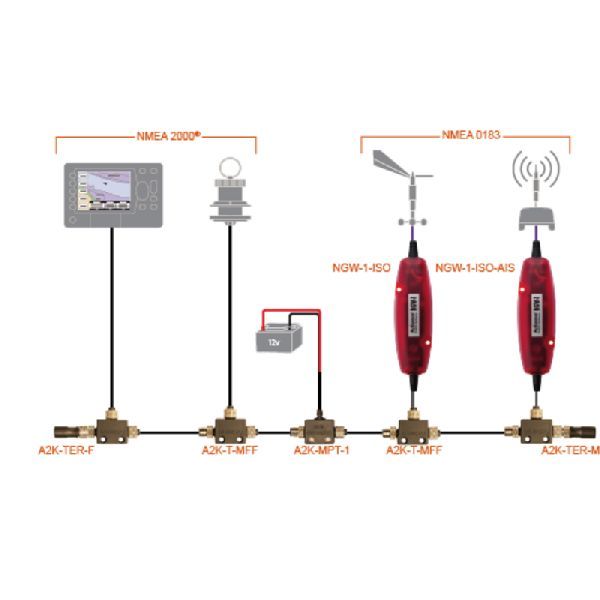
NMEA 0183 ist ein Kommunikationsprotokoll, das von der National Marine Electronics Association (NMEA) entwickelt wurde bevor es NMEA2000 gab.
Der NMEA 0183 Standard spielt trotz der Entwicklung neuerer Technologien immer noch eine wichtige Rolle in der maritimen Elektronik.
Wie funktioniert NMEA 0183?
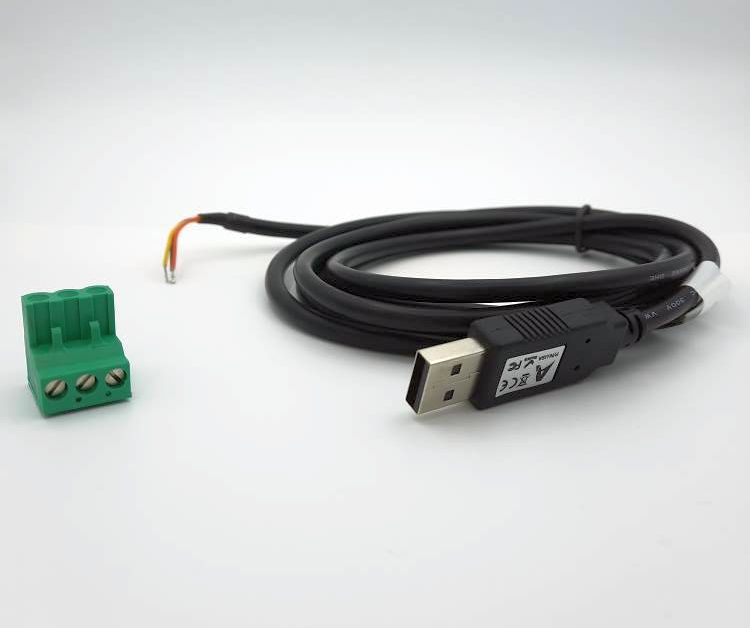
Das Protokoll definiert eine Methode zur Übertragung von Daten in Form von ASCII-Text und spezifiziert sowohl das physikalische Interface (serielle Datenübertragung) als auch das Datenformat. NMEA 0183 nutzt eine serielle Schnittstelle, üblicherweise RS-422, die eine einfache Punkt-zu-Punkt- oder Multidrop-Verbindung zwischen Geräten ermöglicht.
Das Protokoll verwendet ein standardisiertes Format für Datenmeldungen, die sogenannten "Sentences". Jede Sentence beginnt mit einem '$'-Zeichen, gefolgt von einem Datensatz, der spezifische Informationen überträgt.
Weite Verbreitung in älteren Systemen
NMEA 0183 ist auf eine relativ niedrige Übertragungsgeschwindigkeit beschränkt, typischerweise 4800 Baud, was für einige moderne Anwendungen als Einschränkung angesehen wird. NMEA 0183 ermöglicht es älteren und weniger komplexen Systemen, effektiv zu kommunizieren, und wird heute oft durch Interfaces unterstützt, die eine Verbindung zu moderneren Systemen wie NMEA 2000 ermöglichen.
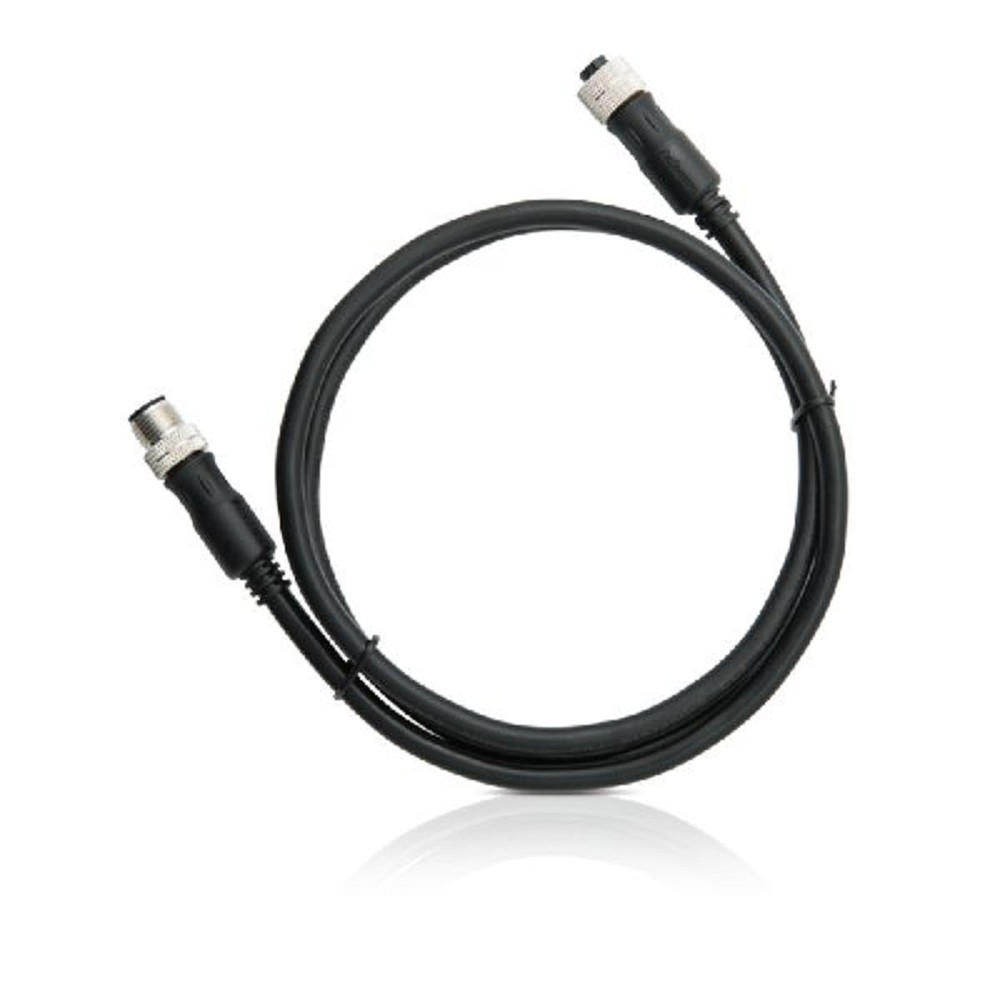
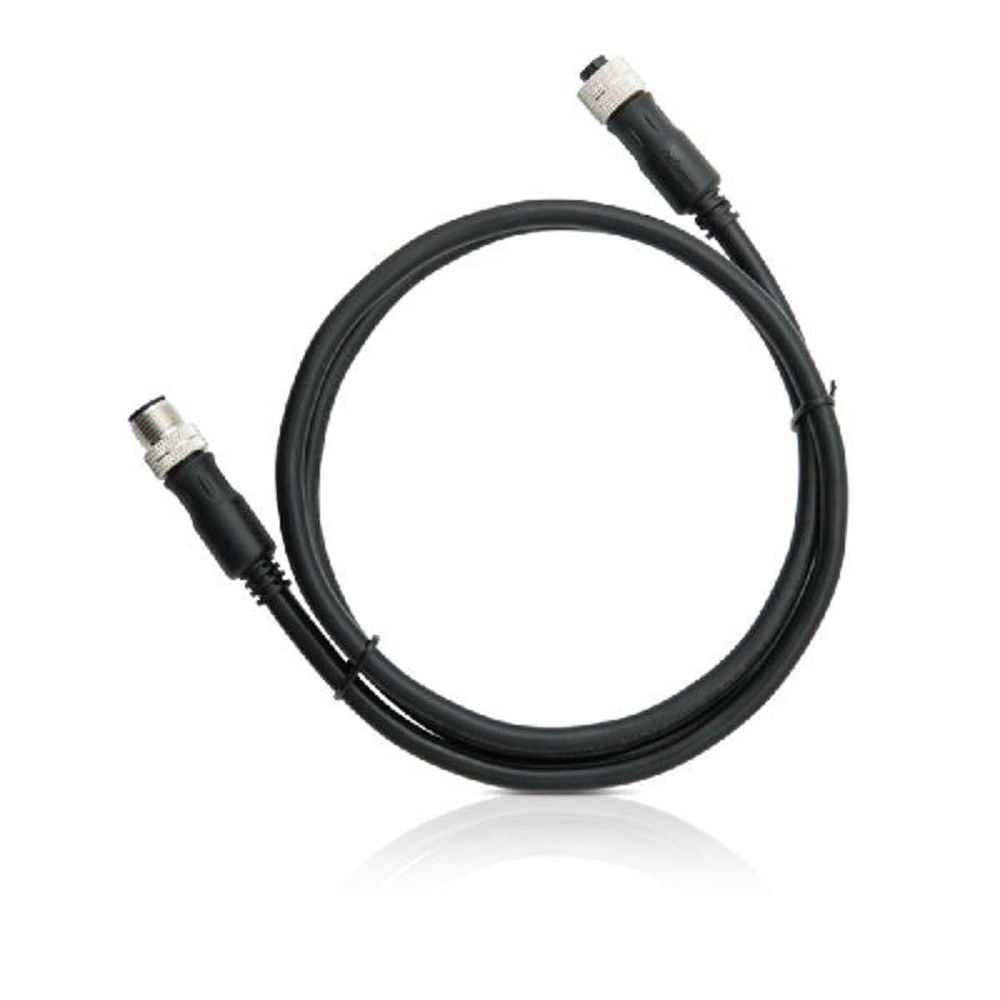
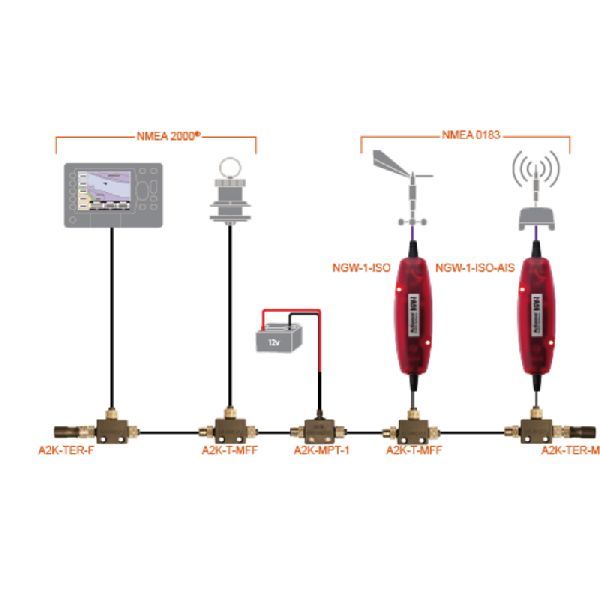
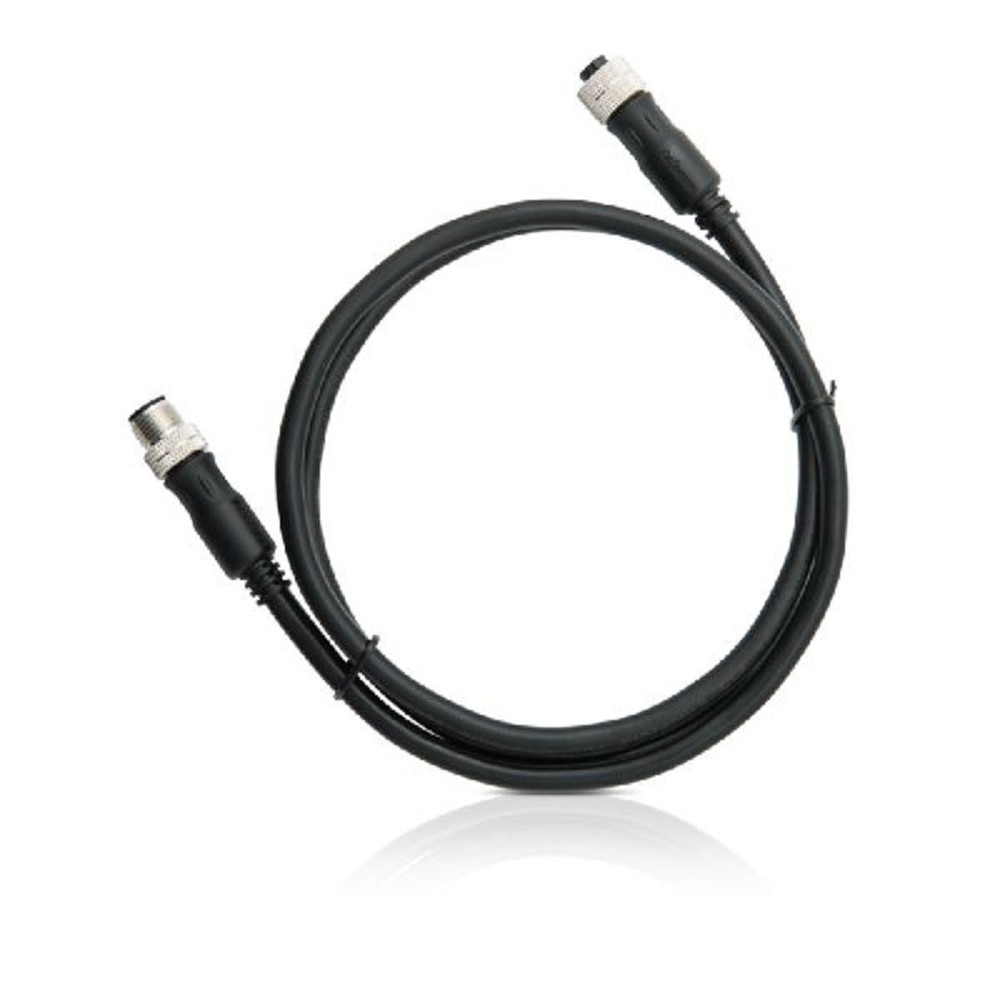
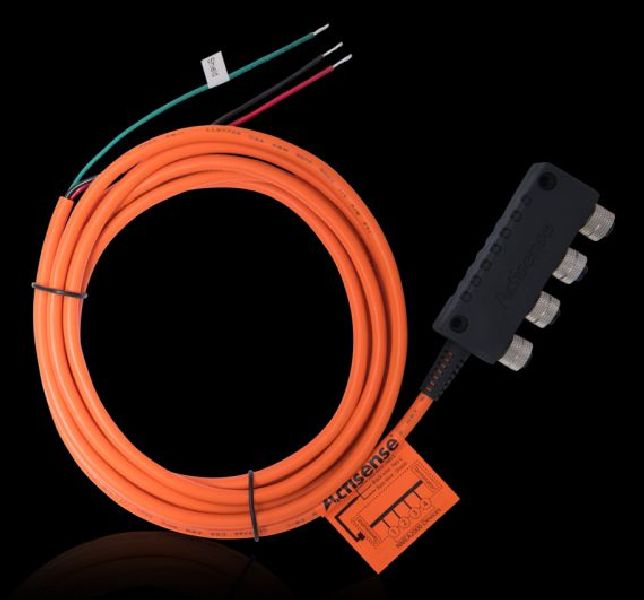
For fast, safe and easy assembly of a NMEA2000 network.For example, to a plotter quickly with a radio or other N2K devices to connect.Scope of delivery:Cable set including resistors and power supply for the data bus.
€115.20*
€121.30*(5.03% saved vs. recommended price)
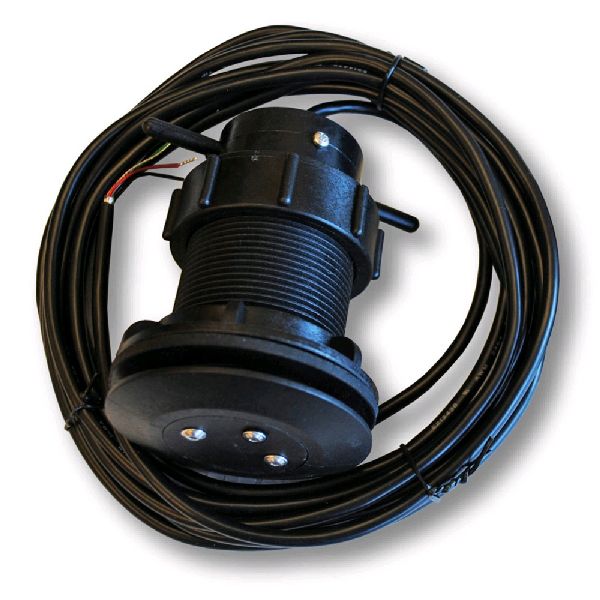
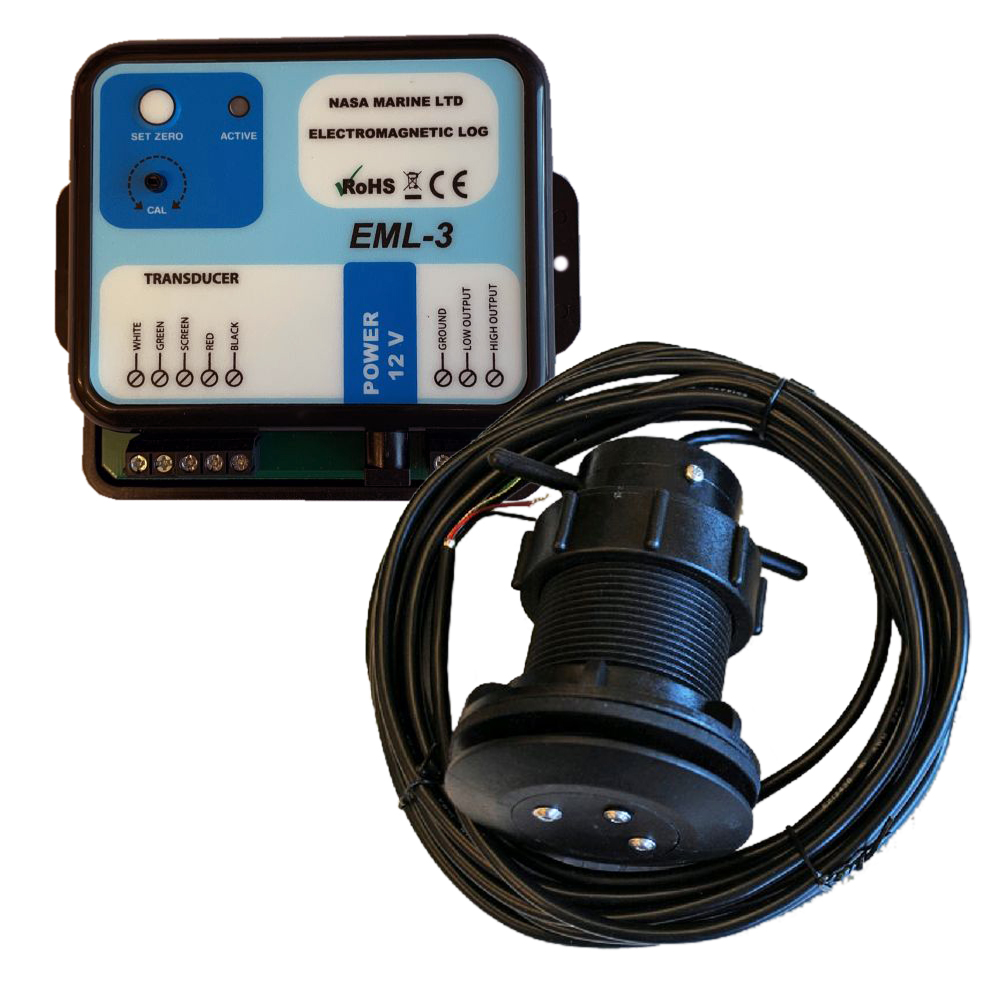
The electromagnetic logber measures the drive through the water without moving parts. It does not require a paddle wheel that could be blocked by drift material, vegetation or shells.The encoder creates a magnetic change under the boat and measures the resulting electric field, which is generated by the boat that moves through the water.With excellent linearity, the scope of delivery converts the sensor signal at boat speed, trip and total distance. The data output in the NMEA0183 format can be connected with any compatible display device that the output data records can be reproduced "VHW" and "VLW", e.g. the NASA - Clipper Easylog.The EML-2 donor is only suitable for assembly in the outer skin of GRP shelves, steel or aluminum gumbs would influence the electromagnetic field of the encoder.Since the donor made of glass fiber is made reinforced plastic, the donor must never be mounted in wooden gumbs, since the source of the material could destroy the donor.Not usable with existing NASA marine travel measuring systems or as a replacement for defective conventional NASA log sponsors!Technical specifications:- Face measuring range: 0.2 - 40 nodes- Resolution speed: 0.1 nodes- NMEA 0183 Data records: VLW + VHW- Updaterate: 0.5Hz- Nominal voltage: 12V DC- Electricity recording: 80mA- Material giver and flange: glass fiber reinforced plastic- Installation diameter donor flange: 51mm- Connection line GENER: Length 5m
€202.90*
€218.00*(6.93% saved vs. recommended price)
The electromagnetic speed transducer measures the speed through the water without moving parts. He does not need a paddle wheel that could be blocked by floating debris, vegetation or shells.The transducer generates an alternating magnetic field under the boat, and measuring the resulting electric field which is generated by the boat moves through the water.With an excellent linearity interface included converts the sensor signal to boat speed, trip- and total distance. The data output in NMEA0183 format can be connected to any compatible display device that records issued "VHW" and "VLW" can play, for example, NASA - CLIPPER EASYLOG.The EML-2 encoder is exclusively suitable for mounting in the outer skin of fiberglass hulls, hulls made of steel or aluminum would affect the electromagnetic field of the encoder.Since the encoder is made of glass fiber reinforced plastic, the timer should never be mounted in wooden hulls, because swelling of the material could destroy the encoder.Can not be used with existing NASA MARINE drive measuring systems or as a replacement for conventional speed transducer NASA!Technical specifications:- measuring range rate: 0.2 - 40 knots- dissolution rate: 0.1 node- NMEA 0183 sentences: VLW + VHW- Update rate: 0.5Hz- Nominal voltage: 12V DC- Current consumption: 80mA- Material transmitter and flange: glass fiber reinforced plastic- Installation diameter sensor flange: 51mm- Connection cable encoder: 5m